Port Lockroy: The Post Office the Penguins Run
A restored 1940s British base on Goudier Island, now a museum and working post office shared with a gentoo colony.
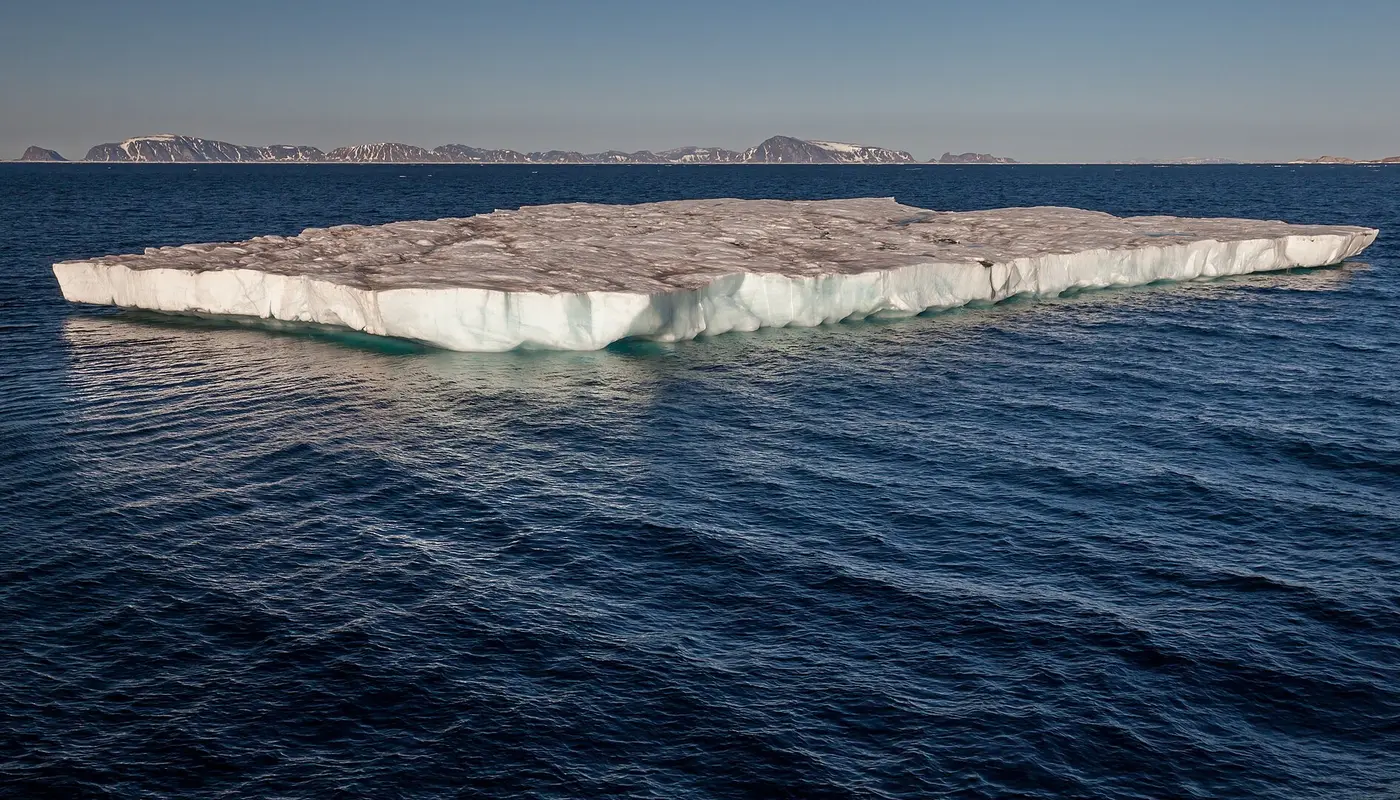
Port Lockroy sits on Goudier Island, a speck off the Antarctic Peninsula, and it does something almost no other polar site attempts: it runs as both a preserved historic base and a functioning post office, while a gentoo penguin colony nests against its walls as if the building were simply part of the beach.
The base dates from the 1940s, part of a wartime British presence on the Peninsula, and it has been kept rather than merely marked. Inside are the bunks, tins, and instruments of the people who worked there, arranged as they were rather than behind glass. Outside, the gentoos have colonised the gaps between the buildings and the boat shed, and there is no meaningful barrier keeping them off the paths. You walk where they walk, on their schedule, not yours.
What it gets right
Most heritage sites ask you to imagine the working life that happened there. Port Lockroy doesn’t need to ask, because a version of that life still exists on the same patch of ground — postcards genuinely go into the post box and genuinely get postmarked and shipped out, staffed by people who spend the season living in close company with several hundred nesting penguins. The site is small enough to grasp in the time a landing allows, and specific enough — one building, one colony, one clear historical use — that it doesn’t try to explain all of Antarctic history in an afternoon. It explains one plausible slice of it well.
Who it suits, and who it doesn’t
This is not a destination in the ordinary sense. You reach it as a landing from an expedition ship, for an hour or two, as one stop among several on a Peninsula itinerary. It suits travellers who are already committed to that kind of trip and want one stop that rewards close attention rather than scenery alone — people who’d rather read the labels on old ration tins than photograph another iceberg. It does not suit anyone hoping for a self-directed visit; there is no independent way in, and numbers ashore are managed tightly by the site’s operators for the colony’s sake as much as for crowd control.
The reservation
The closeness to the penguins is the appeal and also the catch. A large seabird colony at close range is loud, occasionally aggressive over nesting space, and not tidy — guano is a constant, unglamorous fact of the visit, and the smell carries. It’s an honest picture of a working colony rather than a curated one, which is the point, but it will not suit anyone expecting the sanitised version. And because landing time is short and shared with the historical exhibits, you don’t get long with either the building or the birds. Port Lockroy rewards attention more than it rewards lingering, which is a fair trade, but it is a trade.
Newsletter
Explore the ends of the earth
Get The Polar Trail in your inbox. No spam, and one click to leave.
Every day · Unsubscribe any time. We never sell or rent your address; read the privacy policy.