Longyearbyen: The Arctic's Working Front Door
The world's northernmost town with scheduled flights is less a destination than the only sensible way into Svalbard.
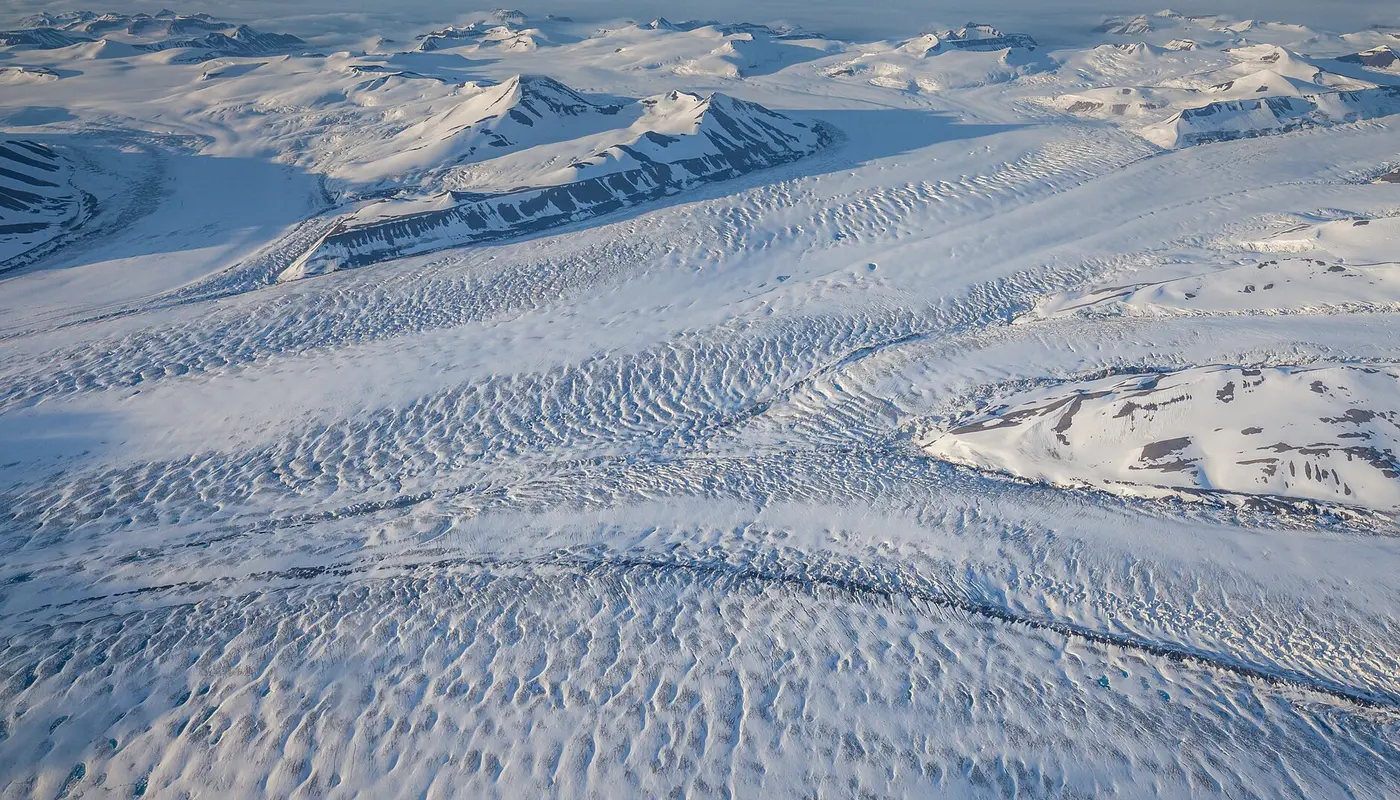
Longyearbyen sits at 78°N on Norwegian soil, and its single most useful fact is the airport: this is the northernmost settlement anywhere with regular scheduled flights, run through Oslo and Tromsø. That one detail does more to explain the town than anything else about it. Everything in Svalbard that isn’t Longyearbyen — the fjords, the glacier fronts, the polar bear country — is reached from here, by boat, snowmobile or small plane. The town is the hinge, not the postcard.
A Town Built for Logistics, Not Looks
Don’t come expecting charm in the conventional sense. Longyearbyen was a coal-mining settlement and still carries that in its bones: pragmatic housing, a supermarket, a scattering of research institutes, a university centre studying Arctic biology and geophysics. The main street has a handful of restaurants, an outdoor-gear shop that takes its stock seriously, and a museum that’s genuinely worth the hour. It is walkable in the way a small, sensible town is walkable — you can see most of it in an afternoon, which is rather the point. This is a city-break with an asterisk: three days here is enough to understand the place and organise the rest of your trip, not to exhaust it.
What the town does well is orientation. Guides, boat operators and equipment hire are concentrated here because they have to be — nothing else nearby has the infrastructure. If you’re planning a fjord cruise, a dog-sledding trip or a longer expedition further into the archipelago, Longyearbyen is where you assemble it, brief for it, and return to when it’s done.
Who It Actually Suits
This is for travellers who want the Arctic on its own terms rather than through a cruise-ship porthole: people happy to layer up, follow safety briefings about firearms and polar bears without irony, and treat a supermarket run as part of the adventure. It works less well as a lazy long weekend — the appeal is entirely tied to what you do once you’re there, and a chunk of that costs money and requires booking ahead, sometimes months.
The honest reservation is this: outside the height of summer, daylight (or the total lack of it) dictates your options far more than any itinerary will admit, and weather can cancel the excursion you flew here for. Longyearbyen itself is short on things to do if the ice, the boats or the sledges aren’t running. It’s an excellent base and a mediocre standalone destination — which is exactly what it was built to be, and no bad thing once you know that going in.
Newsletter
Explore the ends of the earth
Get The Polar Trail in your inbox. No spam, and one click to leave.
Every day · Unsubscribe any time. We never sell or rent your address; read the privacy policy.